· Matt Semrick · getting-started · 3 min read
What Is Longevity Training? A Beginner's Guide
Longevity training isn't about living forever — it's about living better. Here's what you need to know to get started.

There’s a word getting thrown around a lot in the fitness world right now: longevity. And like most things that get popular, it’s already being overcomplicated, overmarketed, and misunderstood.
So let me simplify it.
Longevity training is exercise designed to help you live better — not just longer. It’s the difference between adding years to your life and adding life to your years. I’ve been coaching for 29 years, and this concept isn’t new to me. It’s just finally getting the attention it deserves.
Healthspan vs. Lifespan
Here’s the distinction that matters: lifespan is how long you live. Healthspan is how long you live well — independently, actively, without chronic pain or the inability to do basic things like carry groceries, play with your grandkids, or get off the floor.
Most of modern medicine focuses on extending lifespan. Longevity training focuses on extending healthspan. Because what’s the point of making it to 90 if the last 20 years are spent barely functioning?
What Does Longevity Training Actually Look Like?
It’s not some exotic protocol. It’s not cold plunges and biohacking gadgets. At its core, longevity training includes:
- Strength training — maintaining and building muscle mass, which naturally declines starting in your 30s. This is non-negotiable.
- Mobility work — keeping your joints healthy and moving through full ranges of motion. Use it or lose it is literal here.
- Cardiovascular fitness — both steady-state endurance (walking, cycling) and higher-intensity interval work. Your heart is a muscle too.
- Balance and stability — fall prevention isn’t just for the elderly. Building balance now pays dividends for decades.
- Recovery — sleep, nutrition, stress management. Training is the stimulus. Recovery is where the adaptation happens.
Why It Matters Now — Not Later
The biggest mistake people make is waiting. They think longevity training is something you start at 60. Wrong. The choices you make in your 30s, 40s, and 50s determine what your 70s and 80s look like.
Muscle loss (sarcopenia) starts in your 30s and accelerates every decade. Bone density peaks around 30 and declines from there. The earlier you start building your physical reserves, the more you have to draw from later.
How to Start
You don’t need a fancy gym or a complicated program. Here’s what I tell every new client:
- Move every day. Even 10 minutes of intentional movement — a warm-up, a walk, some stretching — builds the habit.
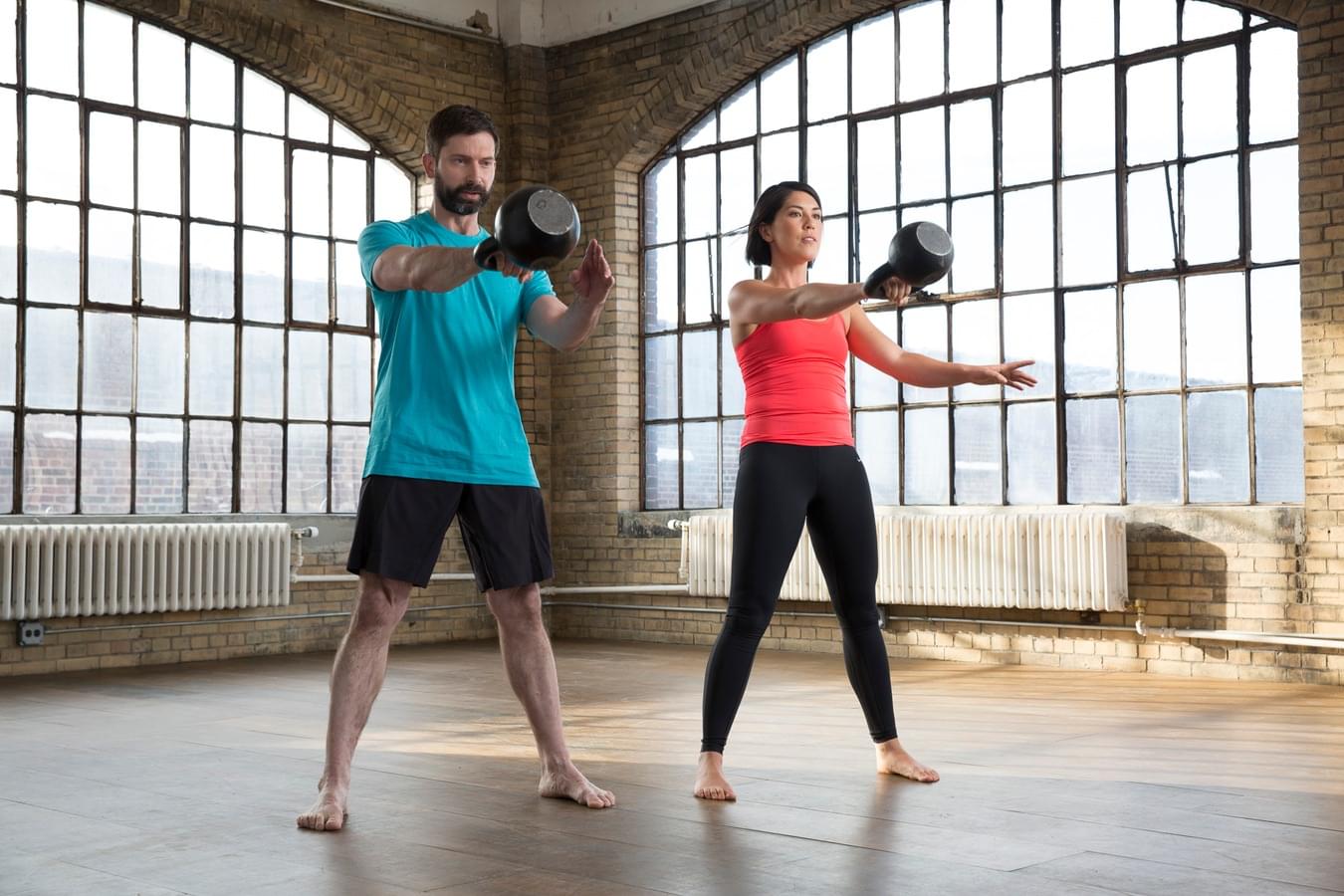
- Lift something heavy 2-3 times per week. Bodyweight counts. Kettlebells count. Barbells count. Just create resistance.
- Work on the basics. Can you squat to depth? Touch your toes? Get up and down off the floor without using your hands? These are your benchmarks.
- Be consistent, not extreme. The person who trains moderately 3 times a week for 10 years will always outperform the person who goes hard for 6 weeks and quits.
Longevity training isn’t glamorous. It won’t get you millions of followers on Instagram. But it will keep you strong, capable, and independent for the rest of your life.
That’s the trade I’ll take every time.
Ready to start? Grab the free daily warm-up or book a discovery call and let’s build your long game.
Matt Semrick
NSCA-CPT · CFSC · Kettlebell Instructor · 29 Years Experience
Matt Semrick is the founder of First Move Fitness in Louisville, KY. A Navy veteran and certified personal trainer with 29 years of experience, Matt specializes in building Physical Independence — helping people stay capable, strong, and moving well for as long as possible. Learn more about Matt.