· Matt Semrick · longevity · 3 min read
Why Strength Training After 40 Is Non-Negotiable
Muscle loss starts in your 30s and accelerates from there. Here's why picking up heavy things is the best investment in your future.

Here’s a number that should get your attention: after age 30, you lose approximately 3-8% of your muscle mass per decade. After 60, that rate accelerates. By the time most people realize they’ve gotten weak, they’ve already lost years of physical capability.
This process has a name — sarcopenia — and it’s one of the single biggest predictors of quality of life as you age. More than cholesterol. More than blood pressure. The amount of muscle you carry and the strength you can produce directly correlates with how independently and actively you’ll live.
And the fix isn’t complicated. It’s strength training.
The Problem No One Talks About
Our culture has a strange relationship with aging. We accept decline as inevitable. “I’m just getting older” becomes the explanation for everything — back pain, low energy, weight gain, difficulty doing basic physical tasks.
But here’s what 29 years of training people has taught me: most of that decline is from disuse, not age. People stop challenging their bodies, and their bodies respond by getting weaker. That’s not aging. That’s atrophy.
Strength training reverses that signal. It tells your body: We still need this muscle. Keep it. Build more.
What Happens When You Don’t Train
Without resistance training, here’s what the research shows happens after 40:
- Muscle mass decreases — you get weaker and less capable in daily tasks
- Bone density drops — increasing fracture risk, especially for women post-menopause
- Metabolic rate slows — muscle is metabolically active tissue; less muscle means fewer calories burned at rest
- Joint stability declines — without strong muscles supporting your joints, aches and injuries become more common
- Insulin sensitivity worsens — increasing the risk of type 2 diabetes
- Balance deteriorates — falls become a real risk, and falls after 65 are a leading cause of serious injury
This isn’t fear-mongering. This is physiology. And the good news is that every single one of these factors responds positively to strength training — at any age.
What You Should Actually Do
Forget the bodybuilding magazine workouts. Forget the machines-only circuit at your gym. Here’s what matters for people over 40:
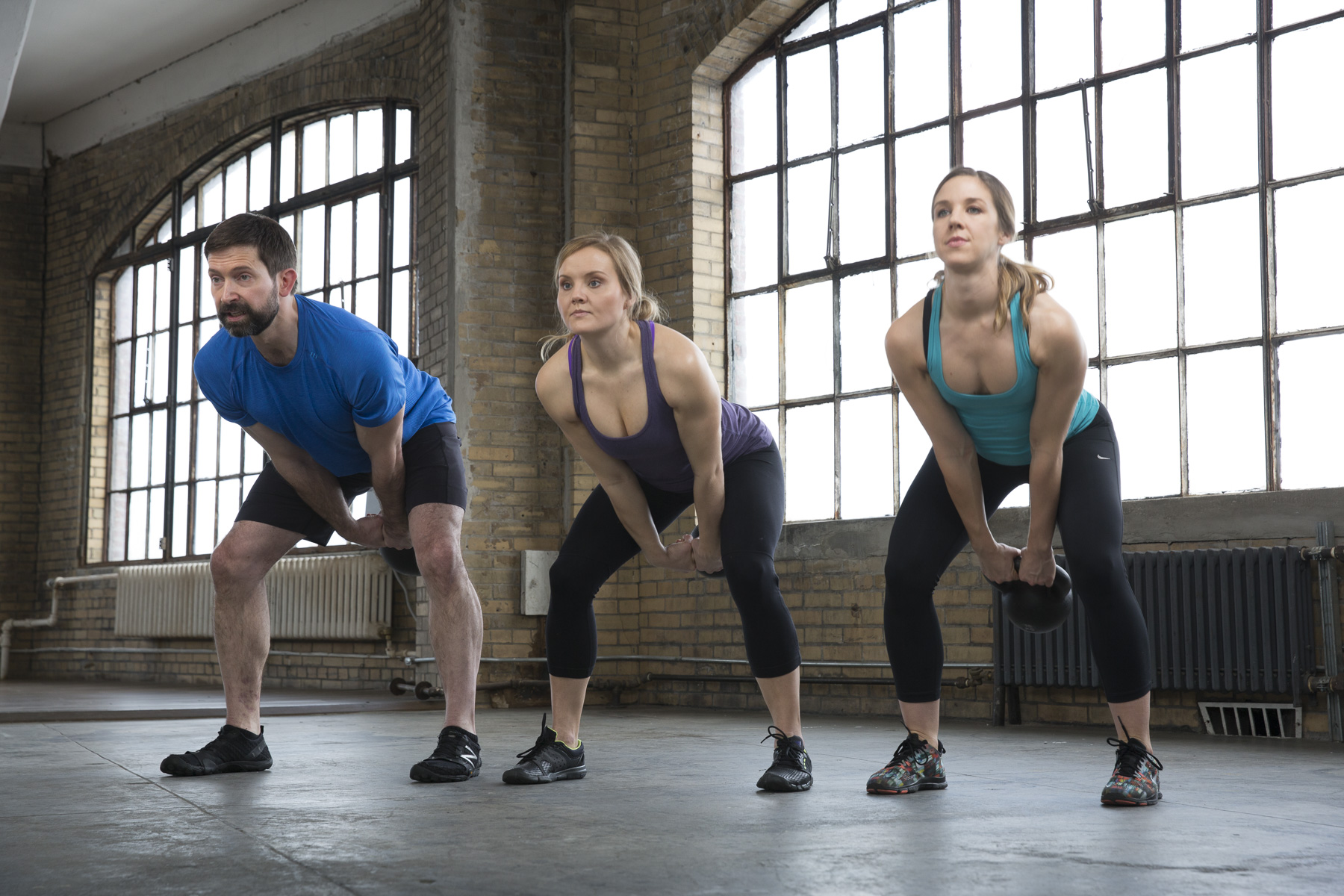
Lift compound movements. Squats, deadlifts, presses, rows, and carries. These movements train multiple muscle groups and joints simultaneously, which is how your body actually works in real life.
Train with progressive overload. The weight needs to challenge you and increase over time. If you’re doing the same 10-pound dumbbells you picked up three years ago, you’re not getting stronger — you’re maintaining at best.
Don’t skip the lower body. Leg strength is the single best predictor of independence in older adults. Squatting and hinging patterns keep you getting out of chairs, climbing stairs, and standing up from the floor.
Include balance and stability work. Single-leg exercises, carries, and movements that challenge your proprioception. This isn’t optional — it’s insurance.
Prioritize recovery. After 40, recovery matters more, not less. Sleep 7+ hours. Eat enough protein (0.7-1.0g per pound of bodyweight). Manage stress. The training creates the stimulus; recovery creates the adaptation.
It’s Never Too Late
I’ve trained people who started strength training in their 60s and saw dramatic improvements in strength, mobility, and quality of life within months. The body responds to training at every age. The earlier you start, the larger your physical reserves. But “late” is always better than “never.”
The question isn’t whether you can afford to strength train after 40. The question is whether you can afford not to.
If you’re ready to start building strength that lasts, book a free discovery call and let’s talk about what that looks like for you.

Matt Semrick
NSCA-CPT · CFSC · Kettlebell Instructor · 29 Years Experience
Matt Semrick is the founder of First Move Fitness in Louisville, KY. A Navy veteran and certified personal trainer with 29 years of experience, Matt specializes in building Physical Independence — helping people stay capable, strong, and moving well for as long as possible. Learn more about Matt.